
What Does Being Drunk Feel Like? The Stages of Intoxication
At Inner Voyage Recovery, we recognize that alcohol use can sometimes escalate beyond social drinking and become a more serious issue. If you or someone you care about is struggling with alcohol use, https://hsg.co.mz/2023/07/06/detox-from-methadone-understanding-the-timeline/ don’t hesitate to reach out. Contact us today to learn more about how we can help you or your loved one regain control and start the journey to recovery. The liver processes about one standard drink per hour, but this can vary depending on the individual. Even after you stop drinking, alcohol continues to affect your brain and body until it’s fully metabolized.
- Someone who is simply drunk and not showing signs of alcohol poisoning may not need medical attention.
- The next day, we’re left with a pounding headache, Sahara Desert-level thirst, and a stomach performing its own version of the Riverdance.
- Factors such as body weight, metabolism, and alcohol tolerance can influence how alcohol is processed in your body.
- For instance, drinking on an empty stomach leads to you feeling tipsy quicker and more easily as opposed to when you drink on a full stomach.
What Does It Feel Like to Be Drunk? Levels of Being Drunk
Critically, the release of these endorphins and the interaction with GABA are concentrated within the brain’s reward center—the mesolimbic dopamine system. This is the very pathway implicated in addiction to all substances. If alcohol is consumed in large enough quantities, or for long periods of time, those initial feel-good responses powerfully trigger feelings of pleasure and reward. This profound activation of the reward system can dramatically increase the desire for alcohol, progressively leading to dependence and, ultimately, addiction. The brain’s reward center is also activated when users drink to minimize the negative, painful effects of withdrawal, reinforcing the cycle. The brain essentially becomes “trained” to depend on alcohol for the production of those feel-good endorphins and for maintaining chemical balance.
Preventing and Managing Alcohol-Related Risks
- These stages and the amount of alcohol that it takes to get to them can indicate if a person is abusing alcohol or not.
- These work to ease stress and anxiety, reduce feelings of pain, and boost mood.
- It’s important to note that the risk of accidents and injuries escalates as blood alcohol concentration (BAC) rises.
- The last of the three terms cannot be misplaced from the other two because it has a clear definition and use.
- Critical slowing of body functions occurs, leading to a life-threatening situation.
- Alcohol can help reduce social anxiety, making it easier for individuals to connect with others and participate in group activities.
Besides, you may also feel unsteady and woozy if you’re dehydrated. Like ear infections, you may feel physically drunk rather than cognitively. They may appear confused when talking, lose their balance, and seem disoriented. Not treating hypoglycemia may cause other symptoms similar to feeling drunk but worse. Besides, you might get sleep drunkenness by sleeping too much or too little. Spending about nine hours in sleep might make you experience sleep drunkenness more than average.
Habits for Proper Mental Health
Understanding these factors is important in recognizing and managing one’s alcohol consumption responsibly. The key factors that influence intoxication levels include alcohol tolerance, body weight and metabolism, and the rate of alcohol consumption. It’s important to note that the signs and symptoms mentioned above are general observations and may vary from person to person. Factors such as individual tolerance, body weight, and rate of alcohol consumption can influence the severity of these effects.
Alcohol
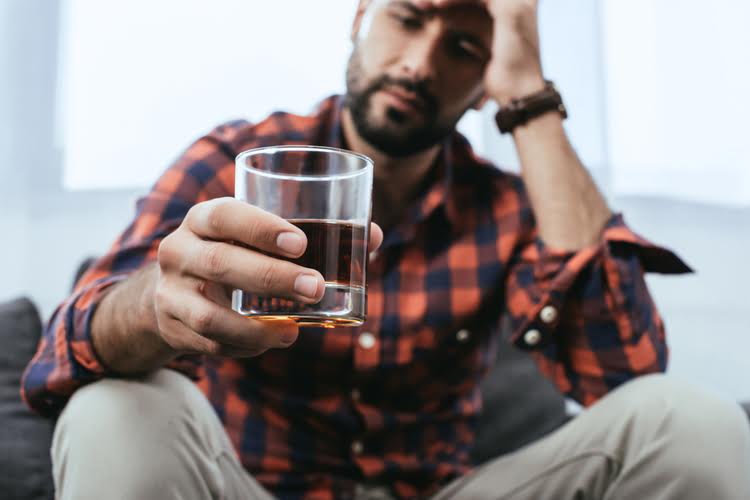
Immediate medical attention is imperative in the lead-up to this last stage of drunkenness to prevent death from alcohol poisoning and/or other fatal symptoms. Indeed, at a BAC of .45 or above, you are probably going to die from alcohol poisoning. These facts about the stages of drunkenness are, therefore, a sobering antidote to the notion that “getting drunk” is a harmless form of social entertainment.
- So those who are younger, female, take certain medications or have lower body weight may feel tipsy for longer than average after 1-2 drinks.
- We have a firm belief that it is possible for YOU to achieve and sustain long-term recovery.
- The legal implications of alcohol intoxication encompass a variety of consequences depending on the context and jurisdiction.
- If you’ve never been drunk, it can be hard to understand what it feels like and why it becomes so addictive.
What are the health risks associated with drinking?
Long-term effects of alcohol abuse include liver damage, cancer, heart disease, and neurological damage. Alcohol abuse can also lead to relationship problems, financial difficulties, and job loss. If you or someone you know is struggling with alcoholism, there are a number of resources available to help you get the treatment you need. This post takes a look at the science of alcohol and how it affects our senses and emotions. You’ll learn about the different stages of drunkenness and what they feel like, as well as some tips on how to avoid getting drunk in the first place. The stages of being drunk range from sobriety to potential death, with each stage characterized by specific emotional and physical symptoms.
At this point, alcohol is impairing both your mental and physical abilities. It’s essential to recognize that, despite feeling in control, your ability to make sound judgments is greatly reduced. However, as you continue to drink, these effects intensify and can lead to more dangerous outcomes.
Being tipsy refers to the early stages of intoxication, where you feel relaxed, social, and slightly impaired. Being drunk means the effects of alcohol are much stronger, and you may have impaired motor skills, judgment, and coordination. Monitoring alcohol intake and understanding BAC levels are crucial because higher levels greatly increase risks, including accidents, health hazards, and alcohol poisoning. Recognizing these signs can help you stay within safe limits and avoid dangerous consequences.

Legal limits for driving under the influence (DUI) are typically defined in terms of BAC. In the United States, for example, a BAC of 0.08% is considered the legal limit for operating a motor vehicle. It’s important to what does drunk feel like note that even at lower BAC levels, impairment can still occur, affecting coordination, judgment, and reaction times.
Duration of Effects
These individual factors, alongside the amount and speed of alcohol intake, dictate a person’s blood alcohol content (BAC) and their progression through the stages of intoxication. Someone who consistently engages in heavy drinking will develop a higher tolerance, requiring more alcohol to reach their desired state and to satisfy the body and brain’s cravings. This escalation is a common indicator of developing an alcohol use disorder. This is Sober living house due to the alcohol affecting the central nervous system, specifically the neurotransmitters that regulate mood.

Deixe uma resposta